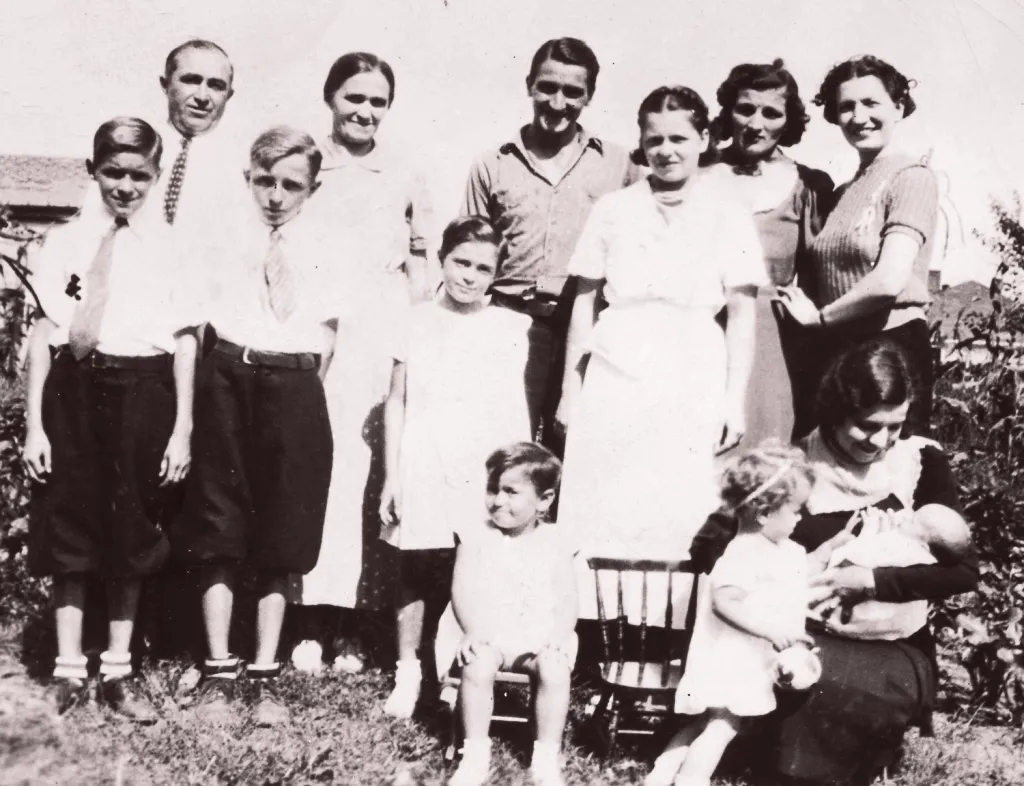
Old family photograph: three generations of one family gathered in a garden
Udruga Hrvatski obiteljski korijeni

Find your ancestors’ graves and family roots in Croatia

We help emigrants and their descendants find their ancestors’ graves, research family history in old parish registers and reconnect with the old country. You tell us what you know — we search on the ground.

Write to us in Croatian, English, Portuguese or Spanish.

About us

A bridge between the diaspora and the old country

Many families left Croatia a hundred or more years ago — for Argentina, Chile, Brazil, the United States, Canada, Australia and Germany. The names of their villages survived in letters, while their ancestors’ graves back home were gradually forgotten.

We do what is hard to do from far away: we visit local cemeteries, go through parish registers and talk to villagers who still remember the families. Everything we find is sent to you as photographs, copies of documents and a clear written report.

We pay special attention to abandoned cemeteries. With every forgotten grave, part of the memory of the people who lived there disappears too.

2014
association founded in Zagreb
4 languages
Croatian, English, Portuguese and Spanish
On the ground
cemeteries, registers and archives in Croatia
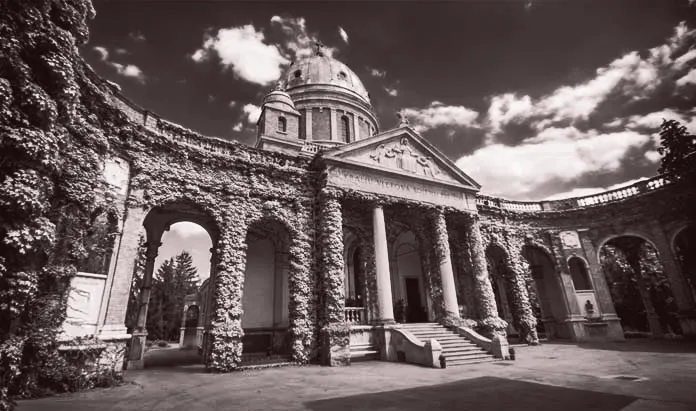
Ivy-covered arcades and domes of Mirogoj Cemetery in Zagreb
The arcades of Mirogoj Cemetery in Zagreb
Our goals

A grave as a bond that is never broken

We want ancestors’ graves in Croatia to be kept and marked with dignity, cemeteries at home and abroad to be connected, abandoned cemeteries to be saved from oblivion, and emigrants and their descendants to keep returning to their ancestors’ homeland.

Read all 16 goals of the Association
Services

How we can help

Every enquiry starts with what you already know: a name, a place, an old photograph or a letter. From there we build the path to the grave and to your family’s story.

Grave search

Using the name, dates and place of origin, we look for your ancestor’s grave in the local cemetery. We photograph the grave and inscription and send you its exact location.

  • Search of cemetery records and parish books
  • Photographs of the grave, inscription and surroundings
  • Advice on restoring and marking the grave
Learn more about grave search

Genealogy

We research registers of births, marriages and deaths and build your family tree across several generations. We help you read and understand old handwritten records.

  • Search of parish registers and archives
  • Family tree with cited sources
  • Report in the language you choose
Learn more about genealogy

Photographs & archives

We photograph your ancestors’ birth house, church and village and collect copies of documents. We help you preserve and describe your old family photographs and letters.

  • Photographs of the village, church and birth house
  • Copies of documents from archives
  • Digitisation and description of family photographs
Learn more about photographs and archives
How it works

Three steps to your roots

You don’t need to travel to Croatia or know your way around the archives. Just tell us what you know about your family.

  1. Send an enquiry

    Fill in the form or email us. Give us your ancestor’s name, approximate dates, place of origin and anything you have heard in the family. If you have photographs or letters, attach them.

  2. We research

    We go through registers, cemetery records and archives and visit the cemetery and the village. We agree the scope and cost with you before we start, and keep you posted on what we find.

  3. You receive a report

    We send you photographs of the grave, its location, copies of documents and a written summary in your language. If you wish, we can help restore the grave or plan your visit.

Send an enquiry

We reply by email, in the language you write to us in.

Family stories

Families who found their own

This is what our work looks like: three examples of emigrant families reconnecting with their ancestors’ homeland. The stories are illustrative and the names invented — we will publish real experiences here from families who allow us to share them.

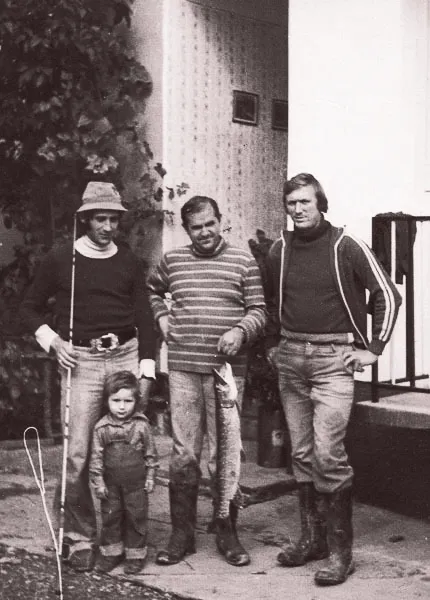
Family photograph: three men and a child in front of a house, holding their catch of fish
Illustrative example
My great-grandfather Ante Bilić left Podgora for Western Australia in 1927 and never came back. The Association found his parents’ grave in the local cemetery and, in the parish register, the marriage of my great-grandmother Kate, née Vuletić, on 12 February 1925. Last summer we lit a candle on our ancestors’ grave for the first time.
Marija BilićPerth, Australia · Dalmatia · Grave search
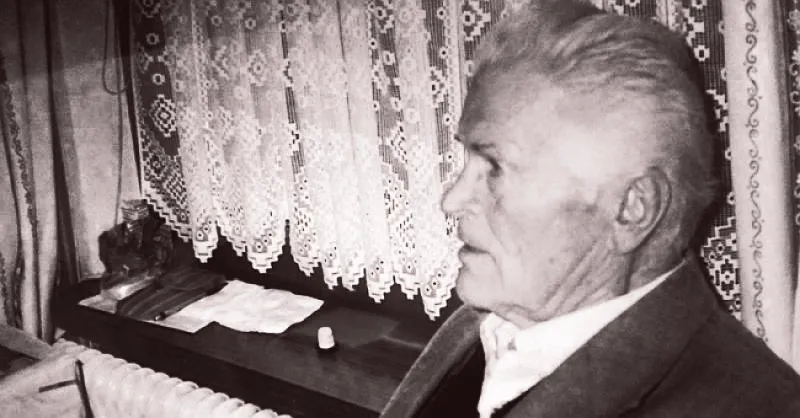
Elderly man in profile beside a window with a lace curtain
Illustrative example
My family left the island of Brač for Antofagasta, and at home all we knew was that grandfather came from Selca. The registers revealed the marriage of my great-grandmother Ivka Dragičević and great-grandfather Mate Marinković on 3 May 1908, a week before they sailed for Chile. We met relatives who still live in the same stone house.
Esteban MarinkovićAntofagasta, Chile · Brač · Genealogy
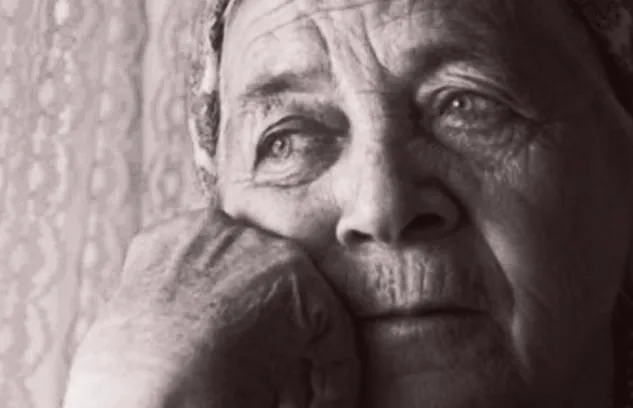
Portrait of an elderly woman with her hand to her face
Illustrative example
Only about a hundred people live on Susak today, while there are thousands of us Susak families in New Jersey. The Association built our family tree back to 1780 and found the record of my great-grandmother Marija Tarabokija’s wedding in the island church in 1921. We restored her parents’ grave in the cemetery above the sea.
Ana MorinHoboken, USA · Susak · Photographs & archives
FAQ

Frequently asked questions

Didn’t find your answer? Write to us — we reply in Croatian, English, Portuguese and Spanish.

Send an enquiry
What information do I need to send for you to find my ancestor’s grave?

Your ancestor’s full name, an approximate year of birth or death and the place of origin — a village or parish — are enough. Any extra detail helps: names of parents and spouses, old letters, photographs, passports or ship passenger lists.

What if I don’t know the exact name of the place my family left from?

That happens often, especially when a village name was written down the way it sounded. From the surname, family stories and documents we can often narrow down the possible places. Tell us everything you know, including what you are unsure of.

What if the grave has been abandoned or no longer exists?

Even then we send you everything we found: the register entry, the place of burial and photographs of the cemetery. Depending on your wishes and the cemetery’s rules, we can help restore the grave or mark your ancestor’s resting place with dignity.

How long does the research take and how much does it cost?

It depends on how much information you have and where the records are kept. After a first review of your enquiry we send you an estimate of time and cost, and we only start once you agree to it. [Add an indicative price list or terms.]

Can I write to you in English, Portuguese or Spanish?

Yes. We accept enquiries and reply in Croatian, English, Portuguese and Spanish, and you receive the research report in the language of your choice.

How will I receive the photographs and documents?

We send photographs and copies of documents by email or as a download link, together with a written summary of our findings. You are free to share all materials with the rest of your family.

Contact

Send an enquiry

Tell us what you know about your ancestors. We will reply by email and suggest the next steps.

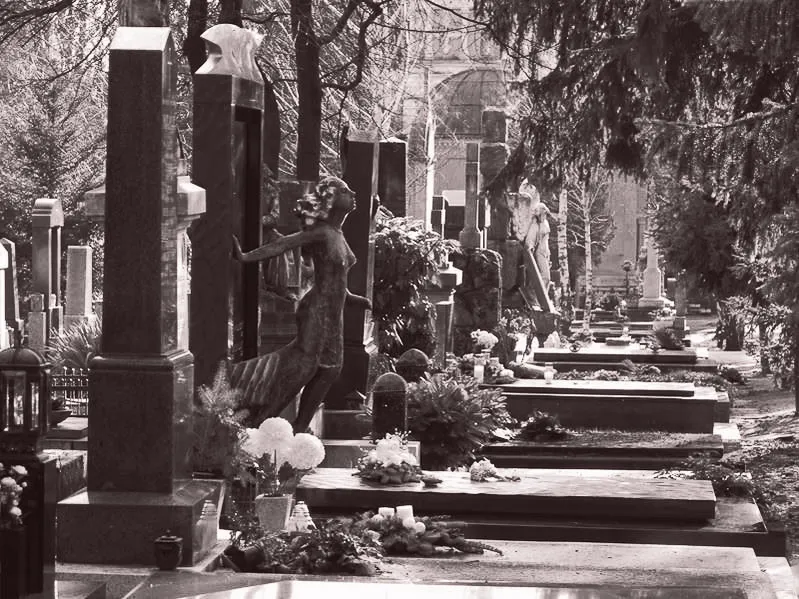
A row of graves with statues, flowers and candles in a city cemetery

Research enquiry

Fields marked * are required.

Village, parish or town — even if you are not sure of the exact name.
For example: when and where they emigrated, parents’ names, old letters or photographs.